
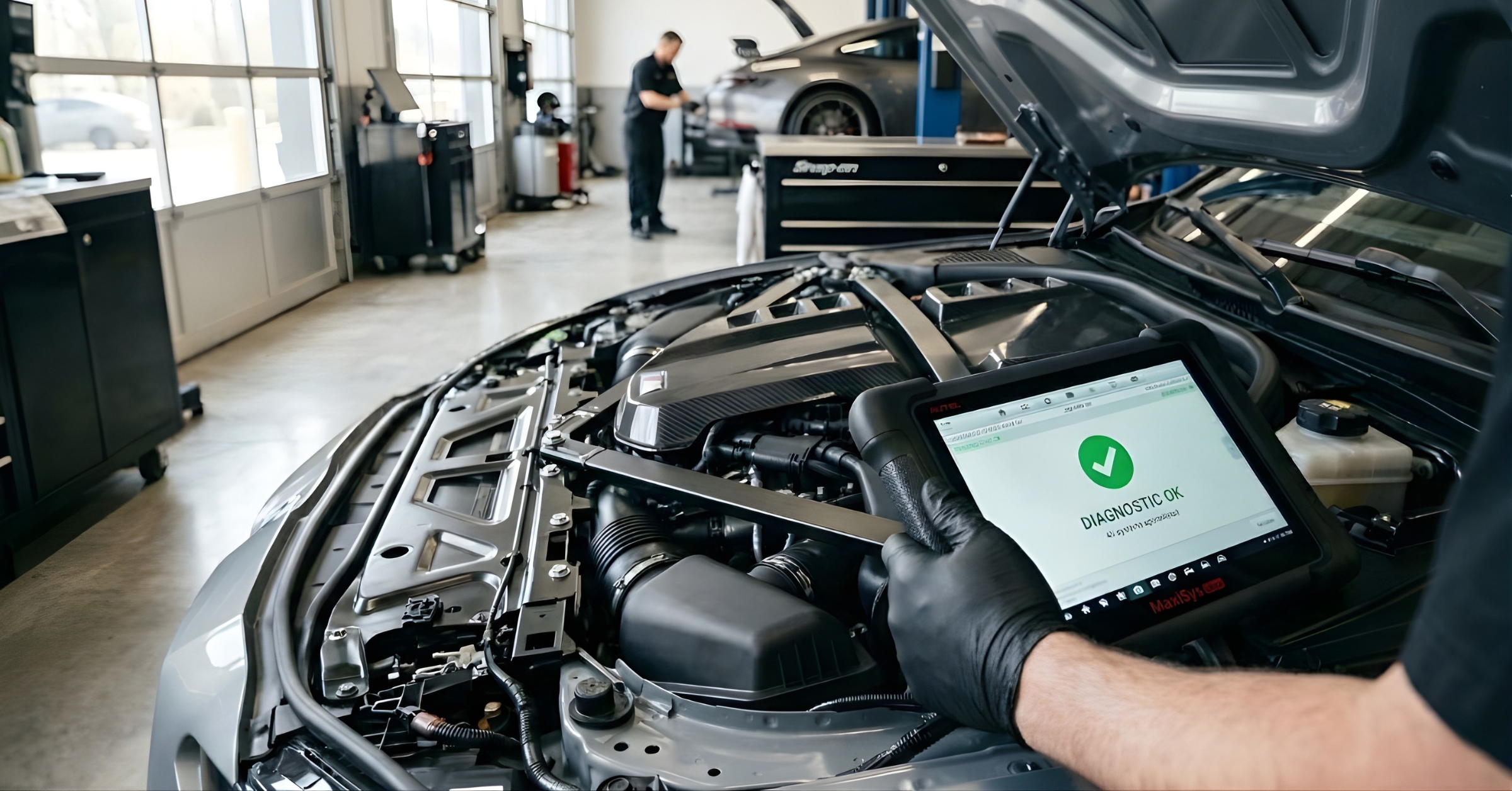
A spring mechanical check-up is critical for Canadian drivers because extreme winter temperature swings cause rubber seals to become brittle, batteries to lose capacity, and condensation to contaminate vital fluids. Addressing these issues in March or April prevents minor winter wear from escalating into major mechanical failures, such as engine overheating or transmission slipping, which typically cost between $2,500 and $6,000.
Key Takeaways:
- Seal & Gasket Health: Thermal expansion in the spring can cause hardened rubber seals to leak.
- Fluid Contamination: Winter “short-tripping” leads to moisture buildup in oil and brake fluid.
- The Pothole Effect: Winter road damage wreaks havoc on suspension bushings and wheel alignments.
- Electrical Strain: Alternators often fail in spring after a winter of overworking to charge cold batteries.
Why the “Spring Melt” is Dangerous for Your Engine
While most Canadian drivers focus on swapping winter tires, the real damage from a -30°C winter happens deep inside the mechanical systems. Modern vehicles are high-precision machines, and the transition from deep freeze to the spring thaw creates a unique set of stresses that can lead to “sudden” breakdowns in the summer.
1. The Hidden Threat of Condensation
During a Canadian winter, many drivers take shorter trips. When an engine doesn’t reach full operating temperature, moisture (condensation) builds up inside the crankcase. This moisture mixes with your oil, reducing its lubricating properties. By the time spring arrives, your oil may be “milky” or contaminated, leading to increased friction on cylinder walls and bearings.
2. Brittle Rubber and the “Seal Expansion” Problem
Rubber components—like serpentine belts, coolant hoses, and CV boots—suffer from “cold set” during the winter. They harden and lose their elasticity. As temperatures rise in March, these parts begin to expand and flex again. This is precisely when cracks form and leaks begin. A cracked CV boot might seem minor, but if road salt enters that joint during the spring melt, you’ll be looking at a full axle replacement within weeks.
3. Potholes and Suspension Geometry
Canadian springs are synonymous with potholes. Impacting a deep pothole doesn’t just potentially pop a tire; it sends a shockwave through your control arms, struts, and bushings. If your steering feels slightly “off-center” or you hear a subtle clunking noise when hitting bumps, your suspension geometry has been compromised. Ignoring this leads to uneven tire wear and premature failure of expensive steering racks.
4. The Post-Winter Battery Slump
Heat is the primary killer of car batteries, but winter is what weakens them. A battery that struggled through cold starts all December has likely built up lead sulfate on its plates. As the weather warms, the internal resistance changes, and the battery may suddenly fail to hold a charge. Having your charging system—specifically the alternator output—tested in the spring is the only way to ensure you won’t be stranded during your first summer road trip.
Maintenance as a Regulatory Requirement
For those with extended mechanical protection or factory warranties, keeping a “paper trail” of spring maintenance is more than just good car care—it’s often a contractual requirement. Most protection plans require that you follow the manufacturer’s suggested maintenance schedule. A documented spring inspection serves as proof that you have exercised “due diligence” in maintaining the vehicle, ensuring that if a major failure occurs later, your claim process is seamless.
Don’t let a winter “hangover” turn into a summer repair bill. Take control of your vehicle’s reliability today. Get Your 60-Second Quote
FAQ: Spring Mechanical Health
- Q: Why is my car leaking fluid only now that it’s warm?
- A: This is usually due to “seal expansion.” Seals that hardened in the cold can no longer maintain a tight fit once they start expanding and contracting with spring temperature swings.
- Q: Do I really need an oil change if I didn’t drive much this winter?
- A: Yes. In fact, low-mileage winter driving is often harder on oil because the engine never gets hot enough to burn off the moisture and fuel contaminants that accumulate in the oil pan.
- Q: What is the most expensive spring repair to ignore?
- A: The cooling system. If road salt has corroded your radiator or a hose is weeping, the engine will likely overheat during the first hot day of June, potentially causing thousands of dollars in head gasket damage.
- Q: Will an extended warranty cover pre-existing winter damage?
- A: Most warranties cover sudden mechanical failures, not pre-existing conditions. This is why getting an inspection and a protection plan before the failure happens is essential.