
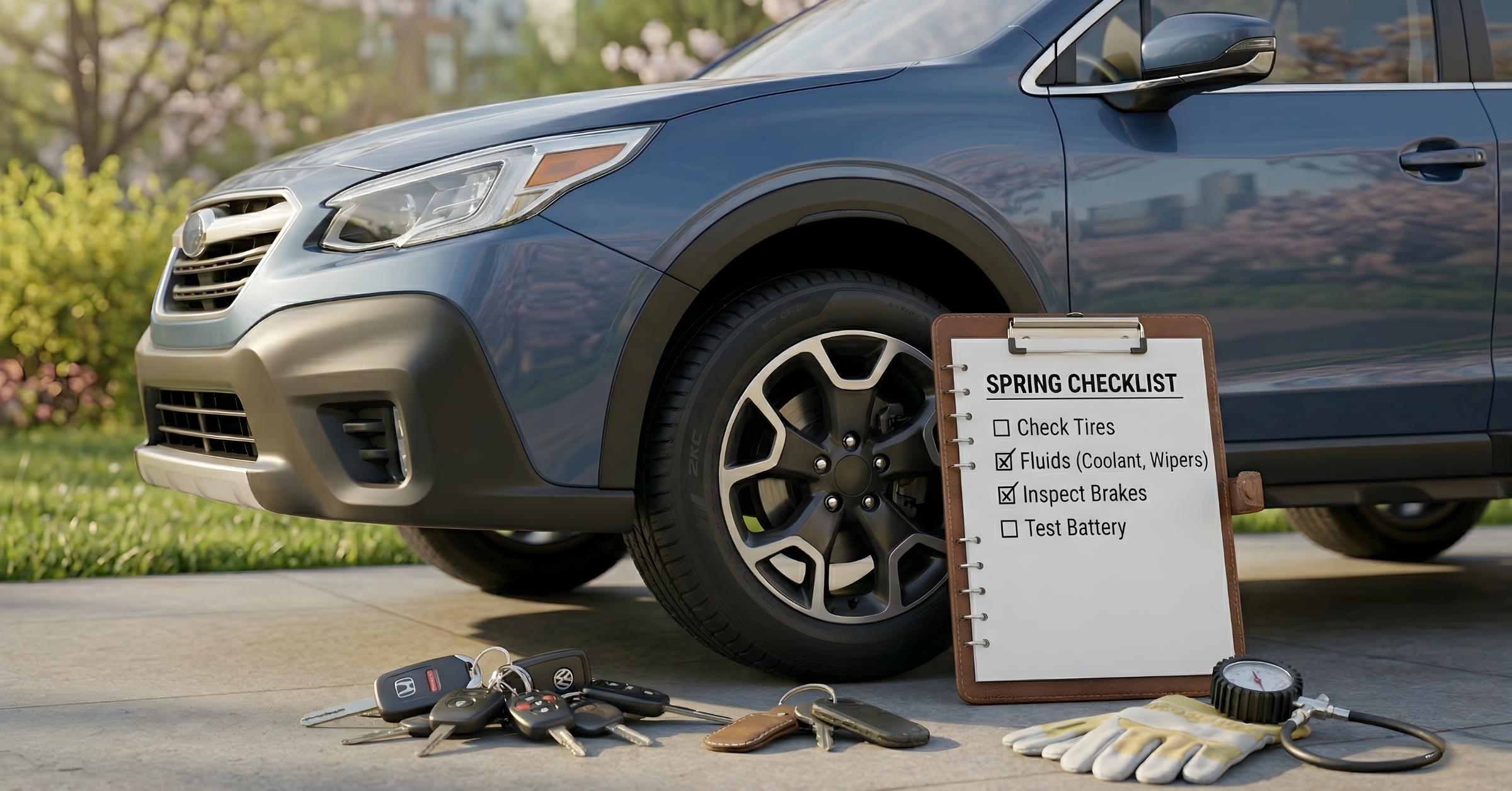
To ensure your car is road-trip ready in 2026, you need to check more than just your oil and tires; you must verify your cooling system’s integrity and your battery’s charge capacity after a long Canadian winter. A 15-minute inspection today prevents a $1,000 towing and emergency repair bill in the middle of your vacation.
Key Takeaways:
- Fluid Vitality: Winter condensation can degrade brake fluid and oil; change them before high-heat highway driving.
- The Cooling Gap: Rubber hoses that survived the freeze often fail under the sustained pressure of 100km/h summer speeds.
- Battery Depth: Cold-weakened batteries are prone to “sudden death” when outdoor temperatures rise.
- Tire Integrity: Check for “sidewall bubbling” caused by spring potholes before hitting high speeds.
Critical System Checks
Planning the first long drive of the season? Most Canadians think a quick car wash and a gas fill-up are enough. But after four months of sub-zero idling and salt exposure, your vehicle’s “internal clock” is ticking. High-speed highway driving puts unique thermal stress on engine components that have been “resting” in cold weather.
1. The Thermal Zone
Inspect your radiator for salt corrosion. A small leak in April becomes a cracked engine block in July. The constant expansion and contraction of these components during winter makes them vulnerable as soon as the thermometer climbs. Check the coolant level and look for any “sweet-smelling” puddles under the car.
2. The Friction Zone
Ensure your brake pads haven’t “glazed” over from winter moisture or road salt. If you notice a squeak or a softer pedal feel, your pads are likely compromised. On a 500km road trip, you want the certainty of high-performance stopping power. Also, check your brake fluid; if it looks like dark maple syrup, it needs to be flushed.
3. The Electronic Zone
Modern GPS and infotainment systems draw significant power. Ensure your alternator output is steady and your battery terminal connections are free of corrosion. Heat is actually harder on batteries than cold, and a road trip is the ultimate stress test. If your battery is more than 3 years old, have it load-tested.
Don’t let a “Check Engine” light turn your road trip into a roadside nightmare. Drive with the certainty of mechanical protection. Get Your 60-Second Quote
FAQ: Road Trip Prep
Q: Is roadside assistance included in an Obvi plan?
A: Yes, our plans include emergency roadside help if your vehicle breaks down. We cover up to $75 per service (like towing or a boost), and if you’re far from home, we’ll also help with meals and a hotel for a few days.
Q: Can I get a tune-up covered by warranty?
A: Warranties cover mechanical failures; routine maintenance like fluid changes and spark plugs are the owner’s responsibility, but keeping them fresh prevents covered parts from failing.
Q: What is the most common road trip breakdown?
A: Cooling system failures and flat tires remain the top two reasons for summer tows.